Differences Between Data Classification and DLP – And How They Work Together
When it comes to digital security investments, two terms frequently come up:
Data Classification, and
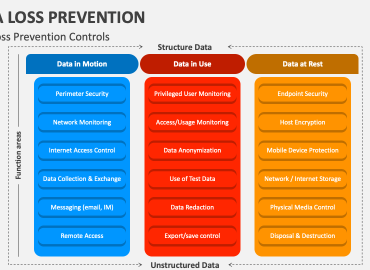
Data Loss Prevention (DLP).
These concepts are often confused, but in fact, they are complementary pillars of a robust data security strategy. When used together, they provide comprehensive protection.
What Are Data Classification and DLP?
What is Data Classification?
Data classification is the process of tagging information based on its level of sensitivity. The goal is to identify the type and importance of the data so that appropriate security policies can be applied.
Example: Labels such as “Confidential”, “Internal Use Only”, or “Public”.
What is DLP (Data Loss Prevention)?
DLP refers to technologies that prevent classified (or even unclassified) data from being leaked or accessed by unauthorized parties.
Example: Preventing an employee from copying a “Confidential” file to a USB drive.
Key Differences Between the Two
| Feature | Data Classification | DLP (Data Loss Prevention) |
|---|---|---|
| Purpose | To label and contextualize data | To protect data and prevent data leaks |
| Method | Labeling, content analysis, metadata usage | Rule-based filtering, action blocking |
| Timing | Activated when data is created or saved | Activated when data is in motion (e.g., email, USB, upload) |
| Example Usage | A Word document is labeled “Confidential” | The DLP system blocks sending this file via email |
Why Should They Be Used Together?
Data classification alone is not sufficient — it merely defines the nature of the data. It doesn’t protect the data once it starts moving.
Likewise, DLP systems struggle to detect what is truly sensitive if the data hasn’t been labeled.
That’s why data classification and DLP must work in an integrated manner.
An Integrated Scenario: Veriket + Verikor DLP
- A user creates a Word document.
- The Veriket add-in scans and classifies it as “Highly Confidential”.
- The Verikor DLP solution reads this label.
- If the user tries to send the document via email, the DLP policy is triggered and either alerts the user or blocks the action.
This scenario is one of the core compliance requirements during GDPR/KVKK and ISO 27001 audits.
Benefits of Using Classification and DLP Together
- Enhanced visibility of sensitive data
- Data is shared only with authorized users
- Prevents internal and external data breaches
- Meets legal and regulatory requirements
- Increases user awareness around data protection
How Does Veriket Integrate with DLP Solutions?
Veriket integrates with various enterprise-grade DLP platforms, including:
- Siberson DLP (Verikor)
- Microsoft Purview Information Protection
- Symantec DLP
- Forcepoint DLP
- McAfee / Trellix DLP
- Fidelis, Digital Guardian, and others
Classification metadata is passed to the DLP system, allowing automated rules to be applied in real-time.
Conclusion: Data Classification + DLP = Strong Data Security
When used together:
- You know which data is sensitive,
- You control who can access that data,
- You monitor and manage its movement.
Using only classification may leave compliance gaps.
Using only DLP may miss critical context.
That’s why combining them is essential for a truly secure and compliant data protection strategy.